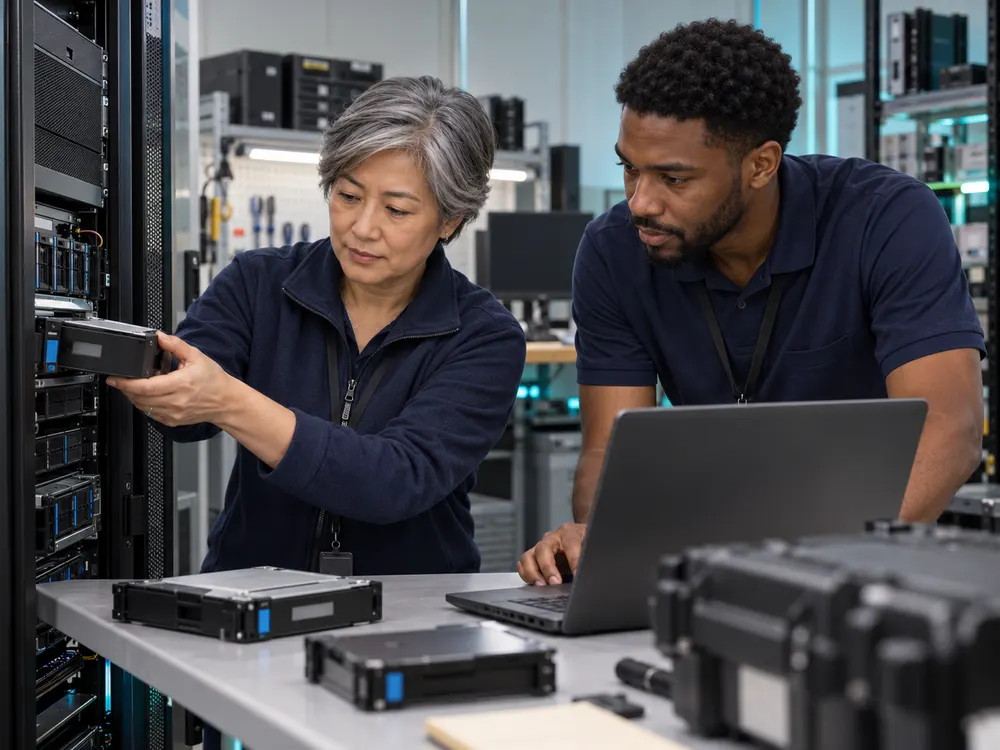
Manufacturing vendor access: start with the maintenance task
A practical way to review external support access without losing sight of production constraints.
Read article : Manufacturing vendor access: start with the maintenance task
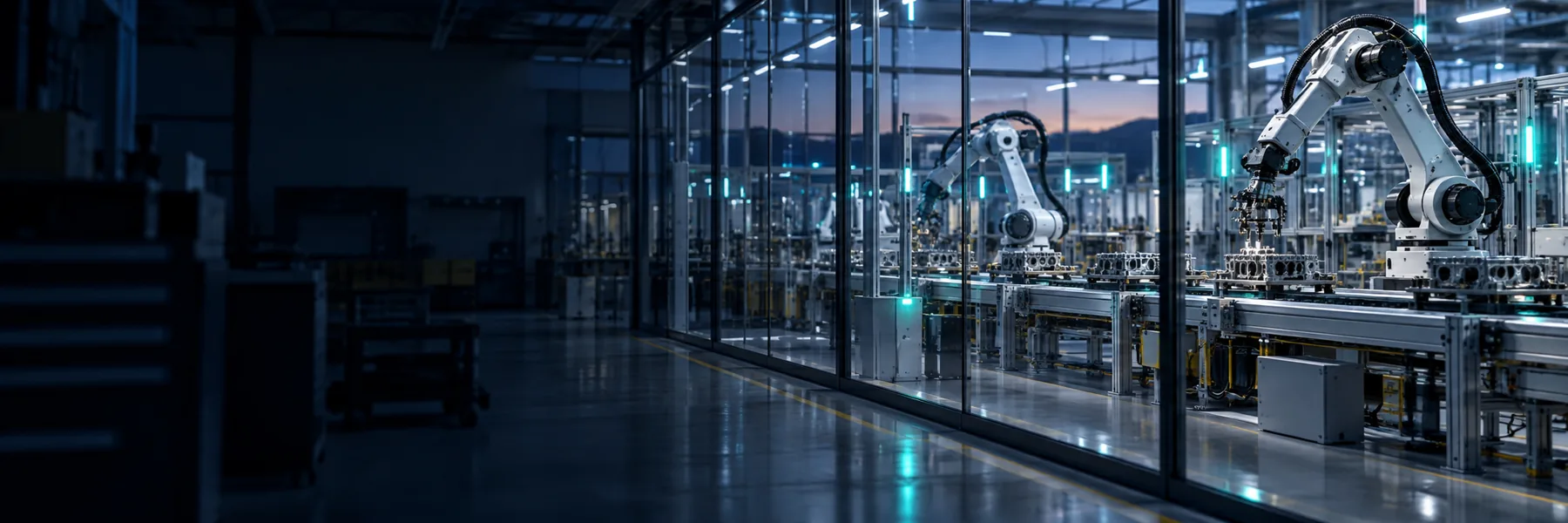
MANUFACTURING CYBERSECURITY
Connect production continuity, controlled access and recovery planning around the way your facility operates.

PRODUCTION IS THE PRIORITY
Availability, safety and quality give security decisions their context.
A production line depends on more than the equipment in front of it. Scheduling, engineering files, identity services, supplier support and business systems may all be part of the route from an order to a finished product.
Ransom Secure helps frame a review around those dependencies. Bring operations, IT and equipment owners into the same discussion so that access changes and recovery priorities reflect the way the site actually runs. A specialist production environment needs an explicitly agreed scope.
TRACE ONE PRODUCT JOURNEY
Illustrative service map: the actual systems and permitted connections are established with your team.
01
Orders, scheduling and engineering instructions define what the line should produce. Identify which information must be available and current at the start of a shift.
02
Controllers, operator workstations and production networks support the physical process. Record ownership, support constraints and the consequence of a change.
03
Quality records and measurement systems help determine whether output is acceptable. A restored machine is not enough if its configuration or supporting records are unreliable.
04
Inventory, labelling and logistics close the loop. Include the applications and supplier connections required to release finished work.
CONTROL THE CONNECTION
Equipment suppliers may need access to investigate a fault or perform maintenance. That need does not establish a reason for permanent, unrestricted access to the wider environment.
Review the route, the identity, the approved purpose and the conditions for ending a session. Confirm arrangements with the supplier and the people responsible for production before making changes.
ILLUSTRATIVE ACCESS PERMIT
A named maintenance task and the specific equipment involved.
A person who approves the session and understands its operational impact.
The accounts, systems and connections the task actually requires.
A record of access, work performed and the point at which access ends.
A FOCUSED REVIEW
Examine how business IT, production systems and vendor routes connect. Document necessary flows before deciding where segmentation or additional verification is appropriate.
Record equipment support arrangements, software dependencies and update restrictions. A security recommendation must account for approved maintenance windows and vendor requirements.
Review access to designs, recipes, controller configurations and project files. Identify authoritative copies and the people who can approve a production change.
Include configurations, licences, documentation and access requirements in recovery planning. Establish what can be tested safely and who validates the restored process.

OPERATIONS + IT + EQUIPMENT OWNERS
A network diagram cannot explain every constraint on a production floor. The people running and maintaining the equipment can identify dependencies, safe working conditions and the consequences of an interruption that may not appear in an inventory.
Use that knowledge to shape the review. Agree who approves a change, who supplies the technical evidence and who confirms that the process is ready to return to service. Record the decisions so that a future shift or supplier can follow them.
CHANGE WITH CONTROL
01
Agree the change, responsible people, expected impact, test conditions and rollback route. Confirm that needed files and support contacts are available.
02
Follow the authorized scope and record deviations. Keep operations involved in decisions that affect production rather than treating them as a final notification.
03
Validate the relevant process and supporting information. Record unresolved issues, restore unnecessary temporary access to its intended state and assign follow-up actions.
LEAVE WITH PRACTICAL OUTPUTS
The agreed line, systems, providers and constraints examined, including important gaps in the available evidence.
Prioritized actions for supplier routes, privileged accounts and necessary network connections, with named owners.
The configurations, people and acceptance checks needed for a controlled rehearsal. Deliverables depend on the agreed engagement.
QUESTIONS, ANSWERED
The scope can consider their dependencies and access boundaries. Specialist operational technology activities, equipment testing and production changes need appropriate expertise, explicit authorization and coordination with equipment owners.
No production activity should be assumed from a general enquiry. Review methods, access and any testing or changes must be agreed with the responsible team before work begins.
Yes. Record its support status, operating constraints and dependencies. Where an immediate change is not appropriate, discuss access restrictions, monitoring options and longer-term replacement decisions with the equipment owner.
A support route may connect external identities to important systems. Reviewing its purpose, permissions, approval and expiry helps establish whether access matches the maintenance need.
No. Useful boundaries start with understanding necessary connections and operational constraints. Products support the design, but ownership, rules, testing and maintenance determine whether it remains useful.
Agree the scope with operations. It may include configuration availability, required software and licences, supporting systems and the checks used to accept the restored process. Testing must not create an uncontrolled production risk.
Yes, within a jointly agreed scope. Identify who owns equipment decisions, network changes and validation so that findings can be implemented by the right people.
Describe one important production process, its business-system dependencies, key suppliers and the main concern. A high-level diagram is useful; do not submit confidential engineering files or credentials through the enquiry form.
FROM THE RANSOM SECURE BLOG
A practical way to review external support access without losing sight of production constraints.
Read article : Manufacturing vendor access: start with the maintenance taskA useful network boundary starts with an answer to why each connection exists.
Read article : Before segmentation: build a connection registerPlan a recovery rehearsal that checks data, dependencies and a useful workflow—not simply a successful backup console message.
Read article : A restore test should end with a business checkFurther reading: CISA industrial control system recommended practices.
START WITH YOUR OPERATING PRIORITIES
Tell us what matters most to your organization and where you need clarity. We will discuss the scope, people and practical next steps.